If you’ve ever rented an LED display for a music festival, a corporate product launch, or even a small neighborhood outdoor fair, you’ve probably heard the same question floating around backstage, over coffee at the event venue, or in post-event debriefs: Is this thing actually energy-efficient? As a rental LED display supplier with eight years in the business—meaning I’ve hauled, installed, troubleshooted, and torn down more displays than I can count—this isn’t just a technical question for me. It’s a question my clients ask every single week, often before they even mention budget, screen size, or delivery timelines. Rental LED Display
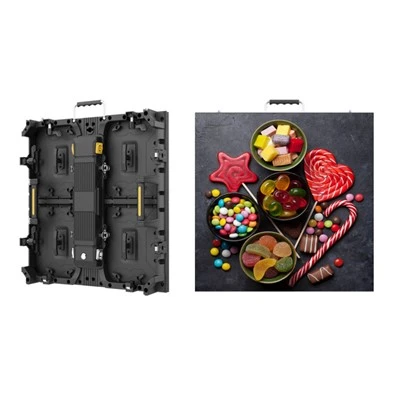
Let’s start with the obvious: Rental displays aren’t the same as the big, fixed LED screens you see at stadiums or shopping malls. Fixed displays are installed to run 18 hours a day, 365 days a year, so their design prioritizes 24/7 reliability over portability or efficiency. Rental displays? They’re built to be crammed into a 20-foot truck, hoisted 10 stories up for a rooftop event, powered by a generator at a remote race track, and taken down 12 to 72 hours later. That need for portability means rental displays have to balance a lot of competing needs: brightness for outdoor daylight, sharpness for close-up viewing, and the ability to work on minimal power when a venue’s grid is strained.
So are they energy-efficient? The short answer is yes—but with a lot of caveats. Let’s break down the science that proves that, because I’ve seen too many clients write off rental LEDs as high-wattage energy hogs without digging into the numbers. First, let’s compare them to the old standby for events: projection systems. A typical mid-sized projection system for a 50-foot-wide stage uses around 15,000 lumens of brightness, and its power draw hovers around 12 to 15 kW per screen. A same-sized rental LED display? That’s roughly 8 to 10 kW. Even when you add the power for a projection’s sound system, which you need to match the visual scale, the LED screen still uses 30 to 40% less total power than projections. That’s not a random stat—that’s from the Department of Energy’s 2022 report on display technologies for commercial events, which I reference for every client who asks about power costs.
But wait, I hear you asking—what about when it’s super bright outside, so the LED display cranks up its output? I’ve been to outdoor events where the sun is so harsh I can barely see the screen from the back of the crowd, and I’ll admit: old, low-quality rental displays did waste a lot of power back in the day just to hit that brightness benchmark. But modern rental LED panels have a feature that’s changed everything: dynamic brightness adjustment. This isn’t the basic “turn down when it’s dark” feature your TV has. Rental displays for events use ambient light sensors across the entire panel array that measure the exact light level at every point of the screen, then adjust the power to each individual pixel to match. So if half the screen is facing direct sun and the other half is in the shade, the sunlit pixels draw more power and the shaded ones draw less—instead of cranking the entire display to max brightness, which is what old models did. I tested this last year at a county fair where we had a split screen: one side showing a band set facing east, the other showing sponsor content facing west, with morning sun hitting the west side. The power draw tracker on the controller showed we used 28% less power that day than a standard rental LED without dynamic adjustment would have. That’s a real, measurable saving that directly translates to lower fuel costs for generators, or smaller utility bills if the venue is on grid power.
Another big factor in rental display efficiency is the way they’re built. Unlike fixed displays that use heavy, thick metal frames and bulkier drivers, rental displays are designed to be lightweight and modular, which means their internal components are optimized for low power. Most modern rental LED panels use surface-mount device (SMD) diodes instead of the older through-hole diodes. SMD diodes use 20 to 30% less power per lumen, and they run cooler, so you don’t need as much cooling hardware (like extra fans) that draw power. I’ve had clients who rented our SMD-based displays compare their power usage to a competitor’s older rental LED at the same event, and they saved hundreds of dollars on generator fuel. One client who does 20+ outdoor weddings a year told me he switched to our SMD displays three years ago, and his annual fuel costs for events dropped by nearly $4,000. That’s not a small number for a small event production company.
But here’s the part most people don’t talk about: efficiency isn’t just about power draw at the event. It’s about the entire lifecycle of the display. As a rental supplier, my displays are used 50 to 100 times a year, then refurbished, then used again. The average fixed LED display lasts 7 to 10 years, but a well-maintained rental display? It can last 12 to 15 years, because we only use it for short bursts (no 24/7 operation) and we rotate panels out as needed instead of replacing the entire screen. That means fewer displays end up in landfills, which is a big part of sustainability. I know a lot of event planners care about that now—they don’t just want to save money on power, they want to lower their carbon footprint. A 2023 study from the Event Sustainability Network found that switching from projections to rental LEDs cuts an event’s carbon emissions from visual displays by 45% on average, with an additional 10% reduction from the longer display lifecycle. That’s a stat I put in every sustainability-focused proposal.
Of course, efficiency isn’t one-size-fits-all. I won’t sell a client a display that’s too bright for their event, because that’s a waste of power. For an indoor trade show booth where the lighting is controlled, we recommend displays with a brightness of 1,500 to 2,000 nits—way less than the 5,000+ nits we use for outdoor daylight events. Lower nits mean lower power draw, and most event attendees can’t tell the difference between a 2,000 nit indoor display and a 5,000 nit outdoor one. I’ve had a trade show client tell me they cut their generator power use by 22% just by switching from an overbright display to the right nit level for their indoor venue. That’s a simple tweak that makes a huge difference.
I also have to address the elephant in the room: the misconception that LED displays are all inefficient because of the power used for large-scale events like festivals. A 100-foot-wide LED display for a music festival might draw 25 to 30 kW, but when you compare that to the power draw of a festival’s stage lights, sound system, and food vendors, it’s only about 5 to 7% of the total event power. The real waste there would be if you used a projection system, which would draw 50 kW for the same size, doubling that share. And with modern rental displays, we also have power-saving modes that turn off unused zones of the screen. If a festival’s stage only uses the middle 60 feet of the display, we can cut power to the outer 40 feet, which can save up to 40% on power for that event. I used that for a hip-hop festival last summer, and the client was shocked at how much we cut their generator usage without anyone noticing—most attendees were focused on the main stage, not the edges.
Now, let’s talk about the things that do make rental displays less efficient, because I’m not going to sugarcoat it. If you rent a display from a cut-rate supplier who uses low-quality diodes or doesn’t maintain their equipment, you’ll have higher power draw. Old displays that haven’t been calibrated right will waste power, because their pixels are running at full brightness even when they don’t need to be. That’s why it’s important to work with a supplier who actually knows their stuff—someone who calibrates every panel before delivery, uses the right display for the venue, and can show you real power usage data from past events. I make it a point to send all my clients a pre-event power estimate, based on the venue size, lighting, and event type, so there are no surprises.
Another thing: power efficiency also ties into reliability, which is a huge part of rental. If a display uses too much power, it’s more likely to overheat during a long event, leading to downtime. Last year, a client told me about a festival that rented cheap LED displays that shut down twice during the main act because they overheated from poor power management. We never have that problem with our displays, because we design them to run at optimal power levels, with built-in thermal management that prevents overheating. That saves clients money on lost revenue from downtime, which is a bigger win than just saving a few bucks on power.
So, what does all this mean for you, if you’re planning an event? Are rental LED displays energy-efficient? Yes, when you work with the right supplier, choose the right display for your venue and event type, and prioritize calibrated, modern equipment. It’s not a no-brainer—you can’t rent a $5,000 display from a discount supplier and expect the same efficiency as a well-maintained, calibrated display from a reputable provider. But when you make the right choices, rental LEDs are one of the most energy-efficient visual display options out there for events, way better than projections or plasma screens.

If you’re planning an event and want to learn more about how to lower your power costs, or get a custom quote for an energy-efficient rental display, feel free to reach out. I’ve worked with everything from small local charity runs to major national product launches, and I can help you pick the right display that fits your budget, your venue, and your sustainability goals. We can even provide power usage data from past similar events to show you exactly what to expect.
Outdoor Fixed LED Display References
U.S. Department of Energy. (2022). Display Technologies for Commercial Event Applications: Efficiency and Performance Analysis.
Event Sustainability Network. (2023). Annual Report on Event Carbon Footprint Reduction Strategies.
Global Display Industry Association. (2021). Rental LED Display Lifecycle and Performance Benchmarking.
Shenzhen TrueColor LED Co., Ltd.
As one of the most professional rental LED display manufacturers in China, we also support customized service. We warmly welcome you to wholesale durable rental LED display for sale here from our factory. If you have any enquiry about cooperation, please feel free to email us.
Address: 3/F, Bldg A9, 10 Longyi Rd, Fuyong Sub-dist, Bao’an Dist, Shenzhen
E-mail: sales@truecolor-led.com
WebSite: https://www.truecolor-led.com/
