Hey there, if you’ve ever stared at a bolt of polyester crepe in a fabric warehouse or ran your hands over a flowy dress and wondered, “Wait, what is this weirdly great texture?” — you’re not the only one. I’ve been selling polyester crepe fabric for over seven years now, and let’s be real, half the questions I get from designers, boutique owners, and even people just hunting for a new wrap skirt aren’t about color or price — they’re about that texture: the crinkly, not-too-fussy, oddly satisfying feel that makes this stuff so popular. Let’s break it down like we’re chatting over a coffee (no stuffy textbook jargon, promise), plus a little behind-the-scenes tea from someone who handles this fabric every single day. Polyester Crepe Fabric
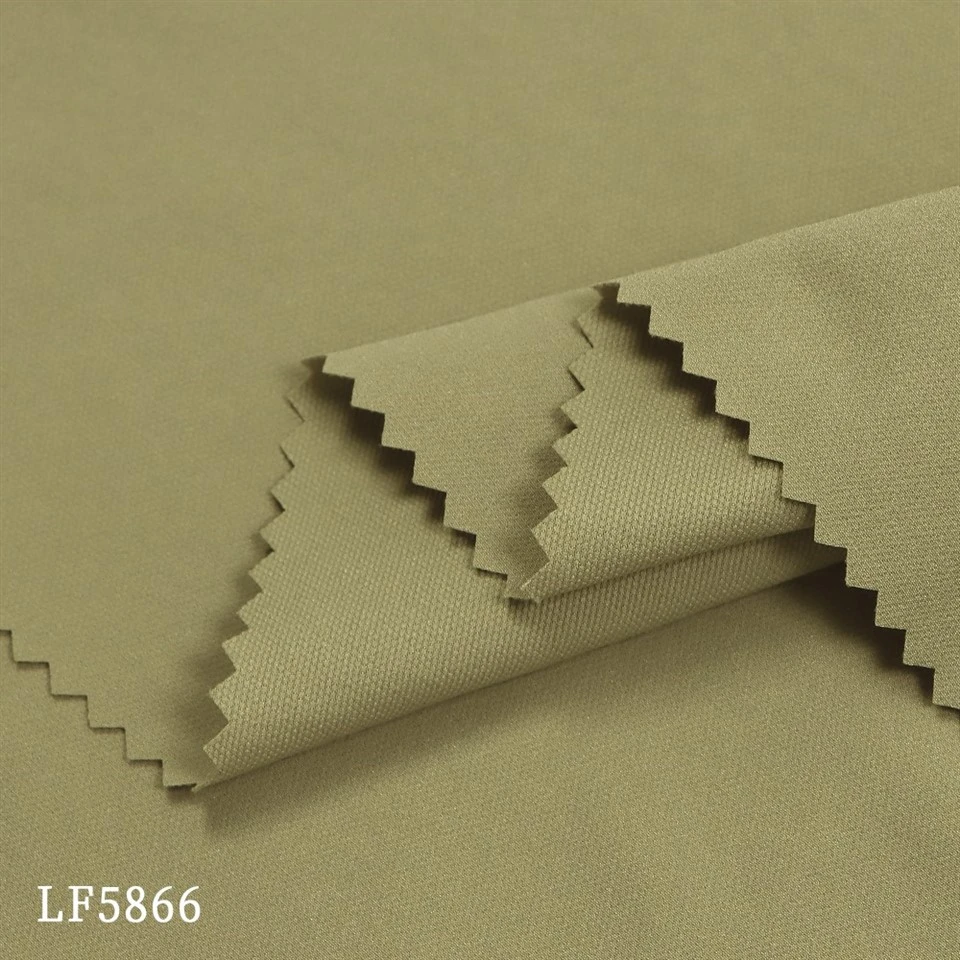
First, let’s get one tiny myth out of the way: polyester crepe’s texture isn’t just “crinkled” for crinkled’s sake. It’s engineered that way, right down to how we weave the threads. Unlike plain old smooth polyester, where every thread in a row gets the same tension on the loom, polyester crepe uses a mix of two different thread types (usually, we go with standard polyester filament yarns paired with slightly stretchier, heat-sensitive textured yarns) and weaves them with purposeful uneven tension. Think of it like crimping a pipe cleaner — heat that specific woven pattern, and those textured yarns bunch up, twist, and create those tiny, natural-looking wrinkles that don’t just sit on the surface. The good stuff (and I’m talking about the quality poly crepe we supply, not that cheap junk from overseas big boxes) has wrinkles that feel intentional, not frizzy. Run your fingers over a piece of well-made polyester crepe, and it’s not flat or slick like satin — it has a subtle, almost soft “give” under your touch, like it breathes a little but holds its shape too.
Wait, but texture isn’t just what you feel, right? It’s what you notice when you’re handling it for hours. Let’s talk about the difference between how it feels when it’s crumpled vs. laid flat, because that’s where most people get confused. If you ball up a piece of polyester crepe and squeeze it, it won’t hold a harsh crease like cotton linen (which I swear drives my seamstresses crazy because you have to steam every little fold out) — it bounces right back to its natural, relaxed crinkle. That’s a big win for anyone making apparel, because who has time to iron a wrap dress every morning? But here’s the thing: it’s not stretchy like spandex crepe, either. We get a lot of inquiries from people mixing up polyester crepe with stretch crepe, and that’s the #1 mistake new designers make. Polyester crepe (the standard stuff we sell) has a very subtle, almost unnoticeable stretch — enough to move with your body when you wear it, but not so much that it goes baggy after a few wears. If you want a stretchy version, we can customize it, but most folks come to us for that structured, non-slouchy texture.
Now, let’s get real about the “not-so-great” texture bits, because I don’t want to lie to you (and honestly, our customers appreciate the honesty). Polyester is a synthetic fiber, so it doesn’t have that cool, damp feel of linen or the buttery softness of viscose when it’s warm outside. If you run it under cold water, it feels a little slicker than natural fiber crepe. Also, the tiny crinkles can catch on sharp jewelry or zippers, especially when the fabric is new — I always tell first-time buyers to pre-wash a small swatch (cold, gentle cycle, no fabric softener) because that softens the edge of the crinkles just enough to cut down on snags. But for the most part, that’s a minor trade-off for everything polyester crepe does well.
I’ve had so many designers come to me and say they used to work with silk crepe, but it was way too expensive and fussy for their fast-fashion line or everyday wear. Polyester crepe is the next-level texture option that behaves like silk crepe but costs a fraction of the price and doesn’t wrinkle that much in your suitcase. Wait, let’s circle back to the texture comparison, because that’s something people ask all the time. Silk crepe has a slightly more delicate, almost matte crinkle, right? Like, if you hold it up to the light, you see tiny little light and shadow lines from the individual crinkles. Polyester crepe — the quality kind — has a similar light play, but it’s a little more robust, less prone to tearing if you accidentally snag it on a hanger hook. I’ve heard some people call it a “workhorse” texture, and that’s exactly what it is. It’s not fancy, but it’s dependable.
Another thing: texture changes when you wash and wear it, which is a good thing if you ask me. New polyester crepe might feel a little stiff out of the package, like it just came off the bolt. One wash, and that stiffness softens up, the crinkles relax just a little, and it starts to feel more lived-in without losing its shape. I’ve had a customer tell me she’s had a polyester crepe blazer we supplied for three years, and it still has that same soft, reliable texture — no fading, no pilling, just the perfect amount of crinkle. That’s way more than I can say for some natural fiber fabrics that turn soft and saggy after a few wears.
Let’s talk about how texture translates to different uses, because that’s where the rubber meets the road for our business. We supply this fabric to everyone: from a costume designer making Halloween gowns that need to hold their shape on stage, to a boutique owner making maxi dresses that flow down the runway, to a home decor brand making throw pillows that need to look neat but feel cozy. For costumes, the texture is key — it shows up under stage lights, doesn’t wrinkle if someone is running around in it for hours, and looks expensive even on a budget. For maxi dresses, the subtle crinkle makes it look less plain than a plain polyester, so it feels special without being loud. For throw pillows, the texture is soft against your cheek, but it’s tough enough to stand up to a dog jumping on it or a kid sitting on it.
I should also mention the different weights of polyester crepe, because weight directly ties to texture. We stock three main weights: lightweight (for blouses, scarves, wrap dresses), medium (for dresses, skirts, blazers), and heavyweight (for coats, structured tops, upholstery). Lightweight feels like a soft, flowy crinkle, almost like a chiffon with more structure. Medium is the most popular, right in that sweet spot of soft and structured, perfect for just about anything. Heavyweight has a sturdier crinkle, it holds its shape really well, so it’s great for pieces that need to have a little structure, not just drape. I always tell people if they’re not sure, go with medium — that’s our best-seller for a reason.
Now, let’s get into something that a lot of suppliers don’t tell you: how to test the texture of polyester crepe before you buy. If you’re coming to us for a sample (yes, we send free swatches, by the way — just shoot us a note), don’t just hold it up to the light. Run your fingers over it: does it feel scratchy? If yes, it’s probably low-quality, made with cheap, coarse threads. Does it bounce back when you crumple it? If it stays crumpled, that means the tension was off when weaving, and it’ll hold bad creases. Does it have a uneven texture, like some areas are smoother than others? That’s a sign of poor dyeing or finishing, and the fabric will fade weirdly after a few washes. The good stuff (the poly crepe we supply) is smooth, consistent, bounces back immediately when crumpled, and has that subtle, uniform crinkle that doesn’t look faked.
I’ve seen a lot of brands cut corners with polyester crepe, and it shows in the texture. They use cheap, single-ply threads, or skip the heat-setting step that gives the fabric its permanent crinkle, and after a few washes, the fabric goes flat and lifeless. We do heat-set every batch of our polyester crepe, right after weaving, so the crinkles stay where they’re supposed to, not wash out. That’s why our customers come back year after year — they know the texture will be the same, order after order, no surprises.
Wait, let’s address one more common question: is polyester crepe’s texture the same as other crepe fabrics? Short answer: no. Viscose crepe is softer, more breathable, but it wrinkles way more and shrinks if you wash it wrong. Cotton crepe is stiffer, more matte, but it’s heavier and less flowy for apparel. Silk crepe is luxurious, but expensive and high-maintenance. Polyester crepe is that happy medium that checks almost every box for texture: it has the crinkle and drape people love about crepe, it’s durable, it’s easy to care for, and it’s affordable. That’s why it’s been blowing up in fashion for the last few years, from runways to fast-fashion stores to high-end brands.
I think the best way to sum up the texture of polyester crepe is this: it’s not the most glamorous fabric you’ll ever touch, but it’s the most reliable. It’s got a personality of its own — that soft, subtle crinkle that feels familiar, like your favorite pair of jeans that gets better with every wash. It’s not slick like satin, not scratchy like cheap polyester, not flimsy like chiffon. It’s just… right. For designers who need a fabric that works as hard as their designs, for people who want clothing that doesn’t require a full iron, for anyone who wants a texture that’s noticeable without being over-the-top, polyester crepe hits the spot every time.
At the end of the day, texture is what makes or breaks a fabric. A dress that looks great on a hanger, but feels stiff and scratchy when you wear it, is never going to sell. A throw pillow that looks perfect in the store, but feels rough against your skin when you get home, is going to get returned. That’s why we focus so much on getting the texture of our polyester crepe just right — we test every batch, adjust the tension on the loom if it’s off, make sure the heat-setting is done properly, so every roll leaves our warehouse with the same consistent, great texture.
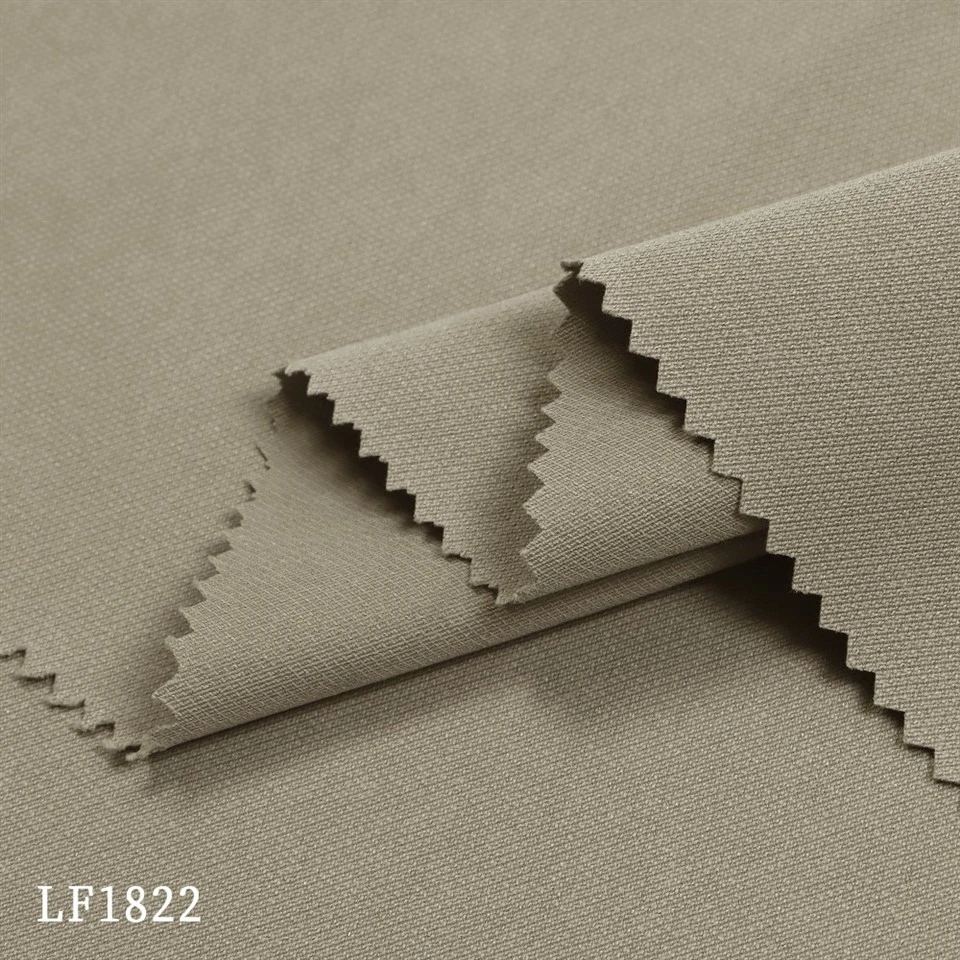
If you’re a designer looking for a reliable fabric supplier, a boutique owner restocking for your holiday line, or just someone curious about this awesome texture I’ve been raving about, we’d love to send you a free sample or chat more about what you need. We’ve got lightweight, medium, heavyweight polyester crepe in a ton of colors, and we can even custom-dye batches for specific projects. Don’t hesitate to reach out — we’re here to help you get the perfect fabric for whatever you’re making.
Polyester Stretch Fabric References
- Textile Institute. (2021). Polyester Crepe Fabric: Weaving Techniques and Texture Properties. Journal of Textile Science and Fashion Technology, 7(2), 45-52.
- Collier, B., & Tortora, P. (2019). Understanding Textiles (11th ed.). Pearson Education.
- American Association of Textile Chemists and Colorists. (2020). Standard Test Method for Evaluating Fabric Texture and Wrinkle Recovery. AATCC Test Method 128-2020.
- Textile World Magazine. (2022). The Rise of Polyester Crepe in Apparel and Home Goods: Durability and Texture Advantages. Retrieved from industry trade publication archives.
Shaoxing Huichao Textile Co., Ltd.
As one of the most professional polyester crepe fabric manufacturers and suppliers in China, we offer a wide range of products with superior quality. Please feel free to wholesale bulk high-end polyester crepe fabric in stock here from our factory. Good service and reasonable price are available.
Address:
E-mail: darrenzhong@huichaotextile.com
WebSite: https://www.huichao-textile.com/
