Hey there! I’m a supplier of cleaning sponges, and let me tell you, I’ve seen it all when it comes to these handy little tools. One question that comes up a lot is, "What is the best way to squeeze a cleaning sponge?" It might seem like a simple question, but there’s actually more to it than you’d think. In this blog, I’m gonna share some tips and tricks on how to get the most out of your cleaning sponge by squeezing it the right way. Cleaning Sponge
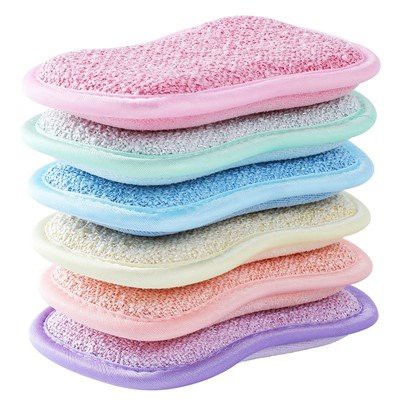
First off, let’s talk about why squeezing a cleaning sponge properly is important. When you’re cleaning, you want your sponge to be able to hold and release the right amount of water and cleaning solution. If you don’t squeeze it correctly, you might end up with a sponge that’s either too wet, leaving streaks and puddles on the surface you’re cleaning, or too dry, not being able to effectively pick up dirt and grime.
One of the simplest ways to squeeze a sponge is by using your hands. Just grab the sponge firmly between your palms and squeeze it tightly. This works well for small sponges and for quick squeezes. But be careful not to squeeze too hard, especially if the sponge is made of a delicate material, as you could damage it. You can also twist the sponge while squeezing to get out even more water. This technique is great for sponges that are really soaked.
For larger sponges or when you need to squeeze out a lot of water, using a sponge wringer can be a game-changer. A sponge wringer is a simple tool that helps you apply more pressure to the sponge and get out more water with less effort. You just place the sponge in the wringer and turn the handle. It’s a lot easier on your hands, especially if you’re doing a lot of cleaning.
Another option is to use a bucket with a built-in wringer. These buckets are designed specifically for cleaning sponges. You just dip the sponge in the water, then place it in the wringer part of the bucket and press down. The wringer will squeeze out the water, and you can repeat the process as many times as you need.
Now, let’s talk about the science behind squeezing a sponge. Sponges are made up of a network of tiny pores that can hold water and cleaning solution. When you squeeze the sponge, you’re applying pressure to these pores, forcing the water and solution out. The more pressure you apply, the more water you can get out. But you also need to make sure you’re not over-squeezing and damaging the sponge’s structure.
Some sponges are designed to be more absorbent than others. For example, microfiber sponges are known for their high absorbency. When squeezing a microfiber sponge, you might need to apply a bit more pressure because they can hold a lot of water. On the other hand, natural sponges are more delicate and might require a gentler touch.
It’s also important to clean your sponge regularly. A dirty sponge can harbor bacteria and germs, which can spread to the surfaces you’re cleaning. After squeezing out the dirty water, rinse the sponge thoroughly under running water. You can also use a mild detergent to clean the sponge and then squeeze it out again to get rid of the soap.
If you’re using a sponge for a specific type of cleaning, like cleaning windows or floors, you might want to adjust your squeezing technique. For window cleaning, you’ll want a sponge that’s damp but not too wet to avoid streaks. So, squeeze the sponge until it’s just slightly moist. For floor cleaning, you might need a sponge that’s a bit wetter to effectively clean the dirt and grime.
In addition to squeezing the sponge, you can also use other methods to keep it in good condition. For example, you can dry the sponge completely between uses. This helps prevent the growth of mold and mildew. You can hang the sponge up to dry or place it in a well-ventilated area.
As a cleaning sponge supplier, I always recommend choosing a high-quality sponge. A good sponge will not only last longer but also be easier to squeeze and clean. Look for sponges that are made from durable materials and have a good absorbency rating.
So, there you have it – some tips on the best way to squeeze a cleaning sponge. Whether you’re using your hands, a sponge wringer, or a bucket with a built-in wringer, the key is to find the method that works best for you and your cleaning needs. Remember to clean and dry your sponge regularly to keep it in top condition.

If you’re in the market for some high-quality cleaning sponges, I’d love to talk to you. I’ve got a wide range of sponges to choose from, each designed to meet different cleaning requirements. Whether you’re a homeowner looking for a great sponge for your daily cleaning tasks or a business owner in need of bulk supplies, I can help. Just reach out, and we can start a conversation about your specific needs.
Wet Wipe in References:
- "The Science of Sponges" – Cleaning Products Journal
- "Best Practices for Sponge Care" – Home Cleaning Magazine
Shanghai Zhaotine Smart Home Company Limited
We’re well-known as one of the leading cleaning sponge manufacturers and suppliers in China, specialized in providing high quality customized products. We warmly welcome you to wholesale bulk high quality cleaning sponge made in China here from our factory.
Address: Huanjing town, luhe town, textile industrial zone, Jiangsu province, China
E-mail: doris@zhaotine.com
WebSite: https://www.clean-wow.com/
